
Ngorongoro Crater offers one of Tanzania’s most concentrated wildlife experiences inside a vast volcanic caldera. It is spectacular, popular and more expensive than a simple game drive elsewhere, so realistic expectations matter.
What wildlife to expect
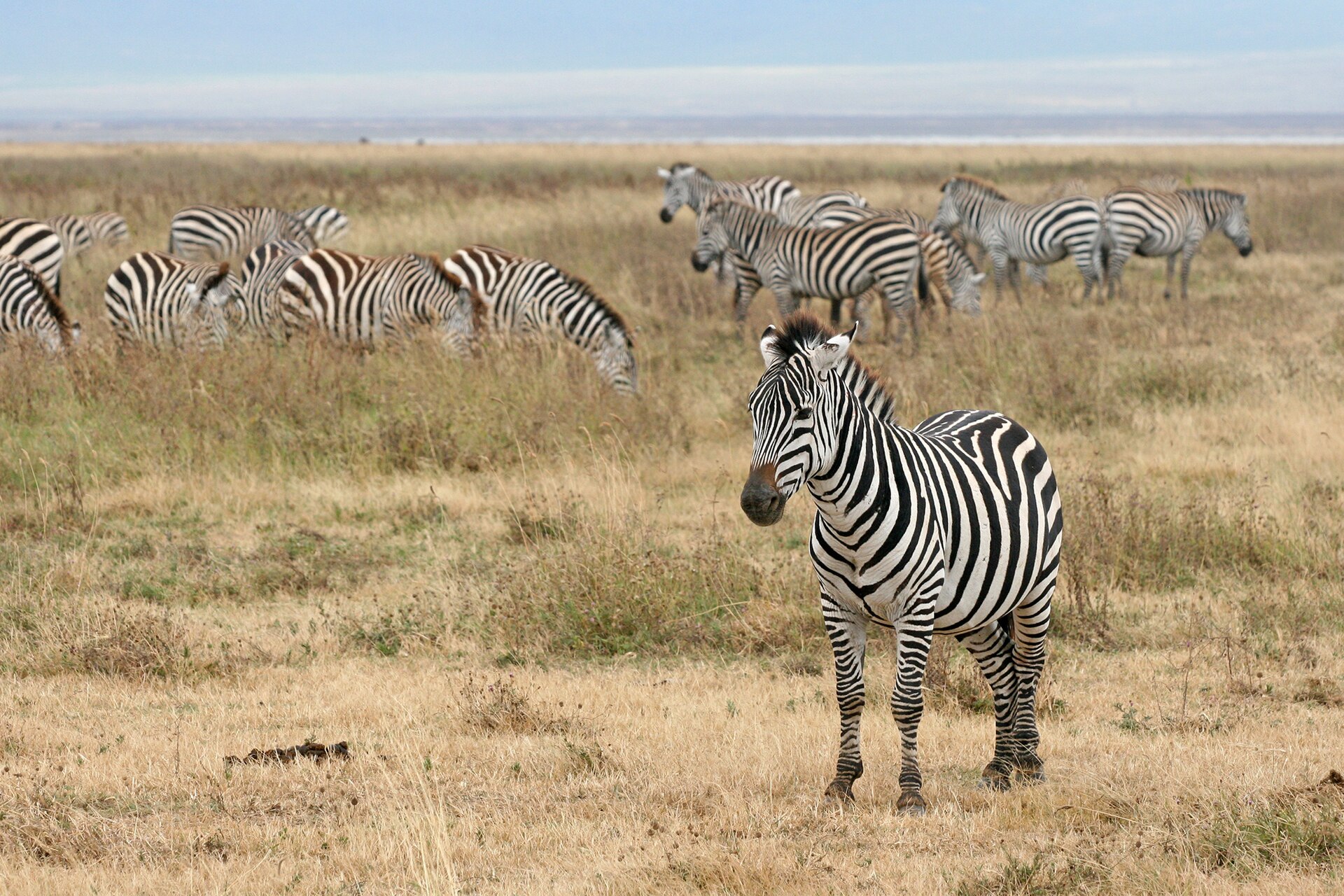
The crater floor supports zebra, wildebeest, buffalo, gazelle, hippo and a healthy predator population. Lions are regularly seen, while black rhino sightings are possible but never guaranteed. Giraffes are generally absent from the floor, and elephants seen there are often older bulls.
Best time to visit
Wildlife viewing is good throughout the year because many animals remain in the crater. Drier months often make roads easier and animals more visible, while greener periods bring fresh color, dramatic skies and birdlife. Weather on the rim can be cold and misty even when the floor is warm.
Enter early when possible, but expect other vehicles around major sightings. A patient guide who moves away from crowded clusters can make the day feel much better.
Understanding the cost
The total normally combines conservation fees, a separate crater-service or vehicle fee, guide and vehicle costs, and accommodation. Lodges on the rim are convenient and can have exceptional views, but they command a premium. Staying in Karatu may lower accommodation cost while adding transfer time.
Plan the visit honestly
Most itineraries use one crater descent, which is enough for many travelers. Pair it with the Serengeti, Tarangire or Lake Manyara rather than repeating similar days. Bring layers, binoculars and a packed lunch, and remember that sightings and weather cannot be scheduled.
Travel conditions, fees and wildlife movements can change. Confirm current details with your safari specialist and local operators before travel.